
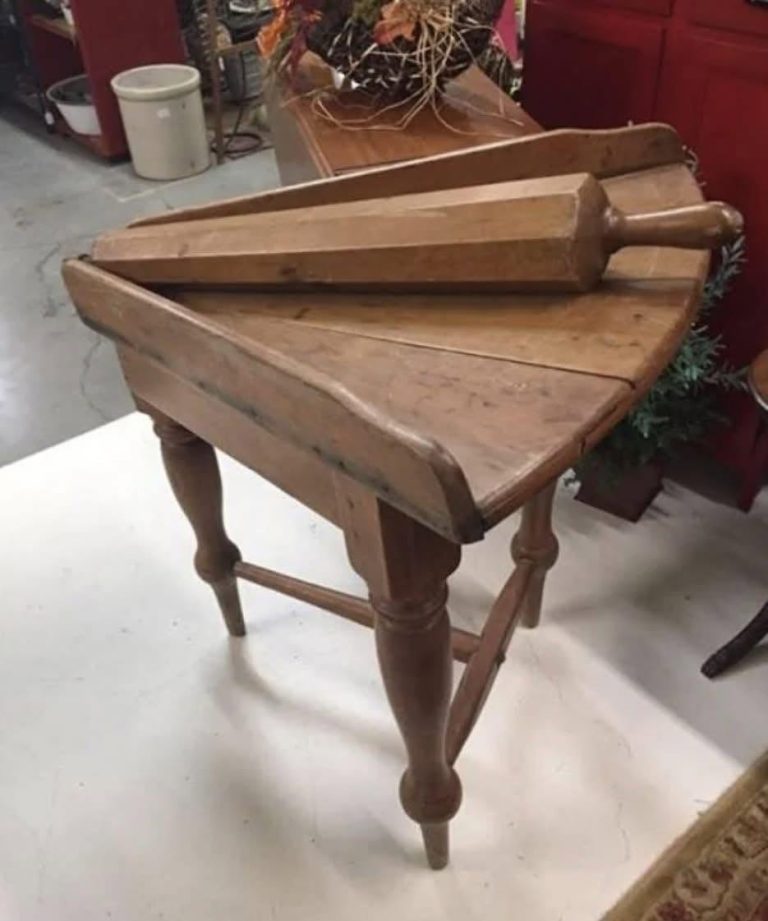
churned into butter, the fresh butter was transferred onto a wooden board or butter worker.
The grooved paddle or roller was then used to:
Press out remaining buttermilk
Remove excess moisture
Blend salt evenly throughout the butter
Create a smoother texture
Shape butter into blocks or rolls
The grooves allowed liquid to drain away instead of being trapped inside the butter.
This process significantly increased the butter’s shelf life long before electric refrigerators existed.
The Science Behind Traditional Butter Making
Modern food science explains exactly why butter workers were so effective.
Fresh butter naturally contains tiny droplets of buttermilk.
Those






Comments