
enter water systems and the wider environment.
Once released, mercury can undergo chemical transformations, including conversion into methylmercury under certain environmental conditions.
Methylmercury accumulates in aquatic food chains and can create serious health risks through contaminated food.
Dental offices in the United States are subject to requirements intended to reduce mercury discharges, including the use of amalgam separators in covered facilities.
These measures help control pollution, but avoiding unnecessary mercury use can reduce the future waste burden.
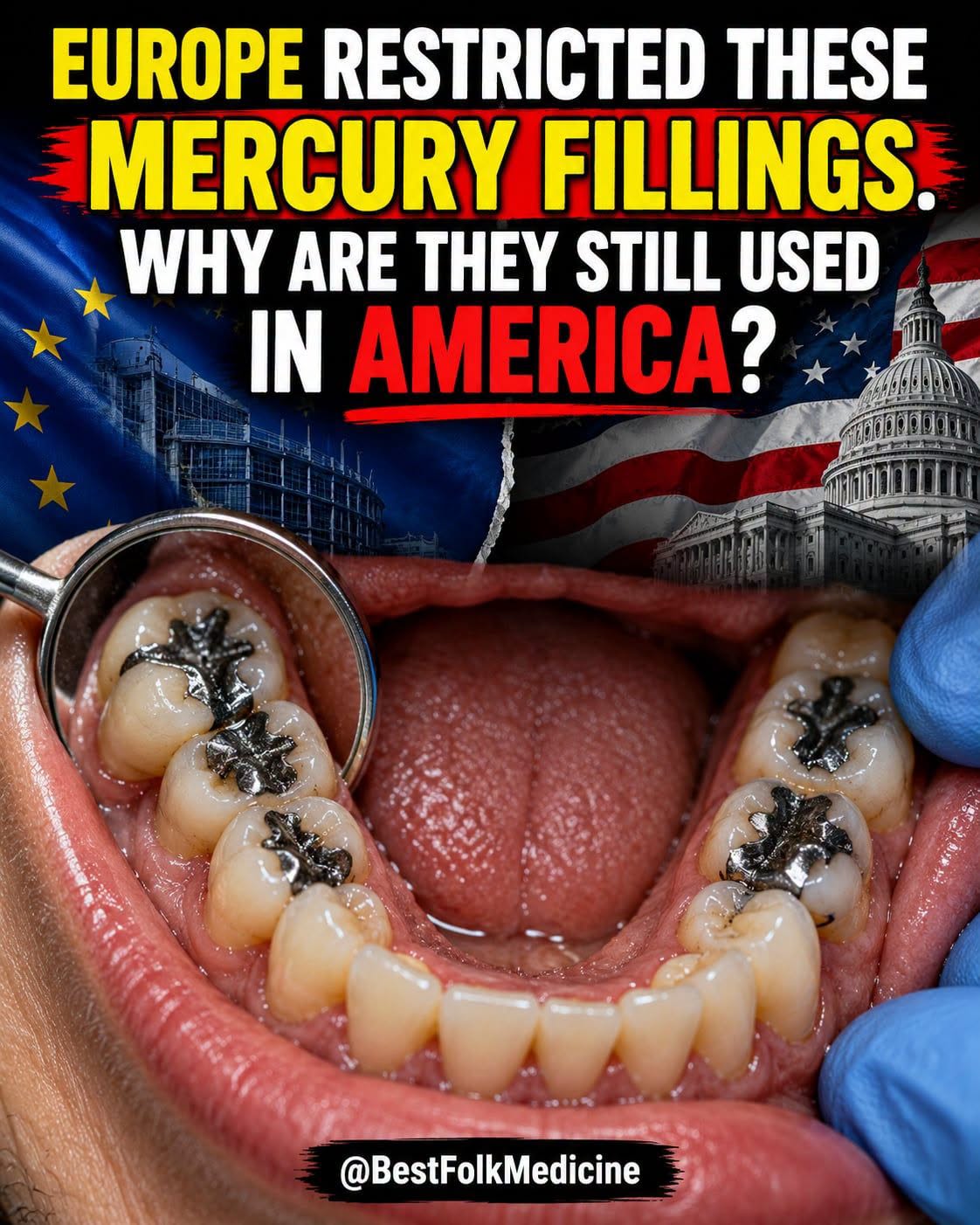
This is why the international Minamata Convention on Mercury has encouraged countries to move away from mercury-containing products.
In November 2025, countries participating






Comments